
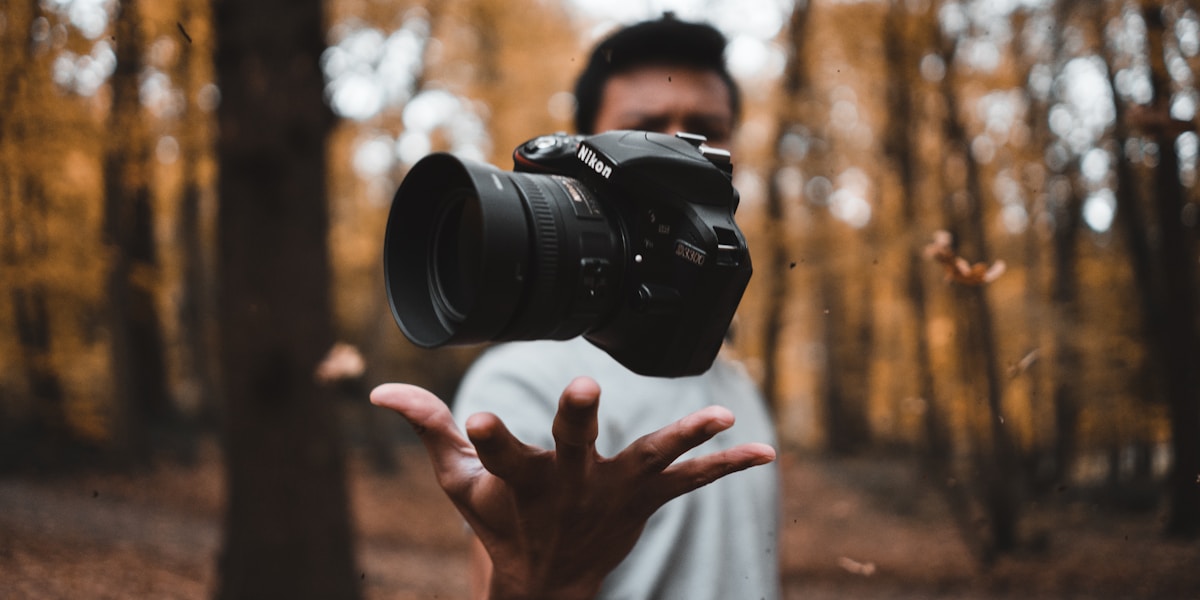
Photographs are valuable reference tools, but painting from them requires understanding their limitations. Learn to use photos effectively while creating artwork that transcends mere copying.
Advantages of Photo Reference
- Captures fleeting moments
- Freezes moving subjects
- Available anytime
- Can zoom and study details
- Consistent lighting
Limitations of Photographs
Compressed Values
Cameras can't capture full range of light:
- Shadows often too dark
- Highlights may be blown out
- Less contrast than reality
Distorted Colours
- White balance affects all colours
- Screens display differently
- Prints vary from screen
Flattened Depth
- 3D world becomes 2D
- Atmospheric perspective reduced
- Sense of space diminished
Taking Better Reference Photos
Lighting
- Natural light when possible
- Avoid harsh midday sun
- Golden hour for landscapes
- Note light direction
Using Photos Effectively
Don't Copy Exactly
- Use photo as starting point
- Make artistic decisions
- Edit composition as needed
- Adjust colours for harmony
Correct Value Range
- Lighten shadows
- Add detail in darks
- Increase overall contrast
- Push atmospheric perspective
Common Mistakes
Slavish Copying
Including every detail exactly as photographed. Edit and simplify.
Trusting Photo Colours
Photos lie about colour. Use your knowledge and observation.
Explore our painting guides for materials to support your reference-based painting.
Explore Our Painting Guides
Find the best paints, brushes, and supplies for your artwork
View All Painting Guides