
Designing memorable characters for children’s books can often be a frustrating task.
Despite an engaging storyline, many children’s books fall flat because the characters are either too generic or fail to connect with young readers.
Without well-designed characters, it’s difficult for the audience to engage emotionally or remember the story long after they’ve finished reading.
Unfortunately, creating characters that are both visually appealing and emotionally resonant requires more than basic illustration skills.
This article will guide you through the key steps to designing characters that children will not only enjoy but also remember.
From understanding the role of personality to using colour and design to enhance character traits, you’ll find strategies to make your characters stand out.
And for those who need additional expertise or a professional touch, Big Red Illustration’s illustrators offer specialised services to help bring your characters to life, ensuring they make a lasting impression on young readers.
Understanding the Role of Characters in Children’s Books
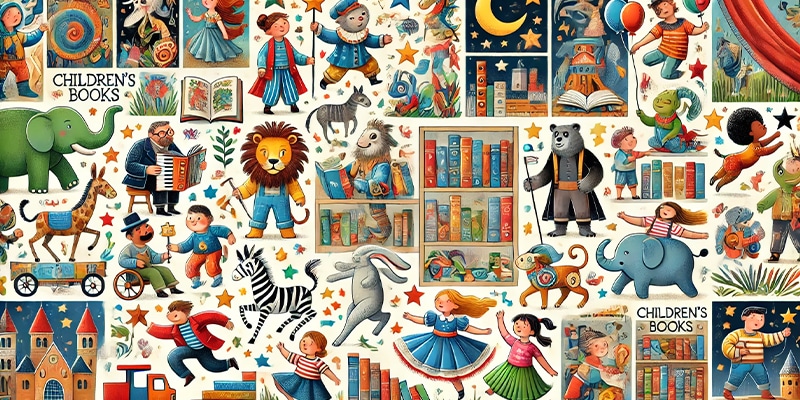
- Are the characters in your children’s book not resonating with young readers? Do they seem too flat or forgettable? Many illustrators struggle to create characters that engage both visually and emotionally, leaving children uninterested in the story.
- What if you could create characters that children not only connect with but also look forward to seeing on every page? Memorable characters can make or break a children’s book, and the good news is that with the right techniques, you can bring your characters to life in ways that captivate your audience.
- Imagine your characters jumping off the page with personalities that children adore and designs that are instantly recognisable. Big Red Illustration’s team of expert illustrators specialises in creating memorable characters that fit seamlessly into the story while capturing the hearts of young readers.
- Don’t let your characters go unnoticed. Contact Big Red Illustration today to learn how our team can help transform your character designs into memorable, beloved figures that children will remember long after the book is closed.
Big Red Illustration Services: Bringing Your Characters to Life
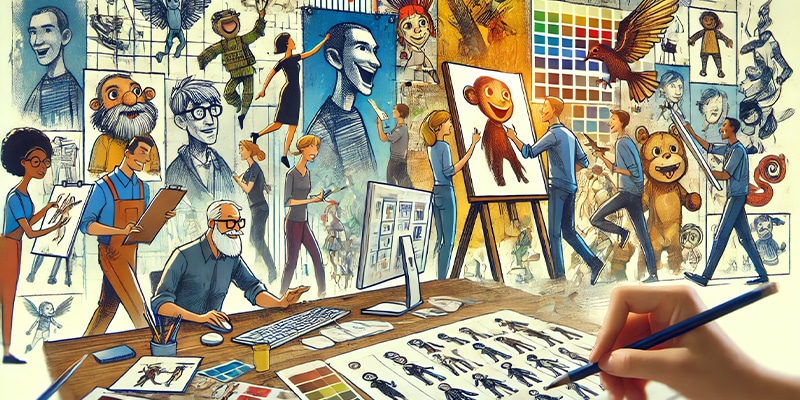
Whether you’re struggling with designing the physical appearance of your characters or capturing their personality through expression and movement, Big Red Illustration has you covered. Our illustrators offer a range of services designed specifically to help with:
- Character design consultation and concept creation
- Tailoring character traits to fit the target audience
- Creating distinctive colour palettes for character recognition
- Illustrating expressive movements and facial expressions
Get in touch with Big Red Illustration today to ensure your characters stand out and stay with your readers long after the story ends.
Developing Unique Character Personalities

A memorable character begins with a strong personality. Children connect most with characters they can relate to, whether that’s through their emotions, actions, or quirks. When designing your character, start by identifying traits that make them stand out. Is your character curious, brave, or mischievous? These qualities should come through not just in their dialogue or actions but in their design. A mischievous character, for example, might have an exaggerated grin or wide, playful eyes.
Sketching and Designing the Physical Appearance of Characters
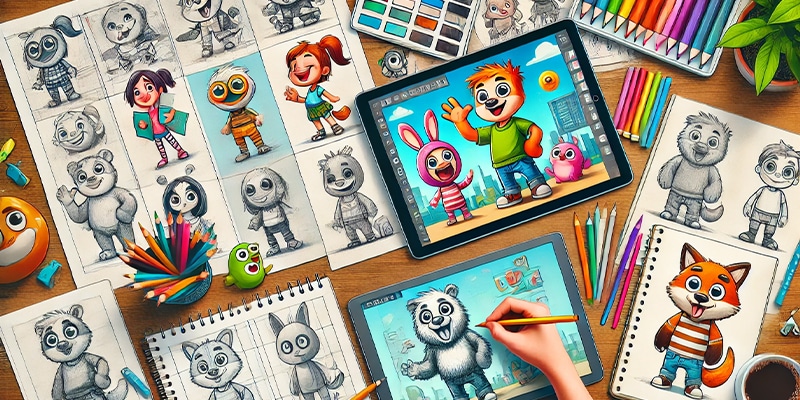
When it comes to designing characters for children’s books, simplicity is key. Younger audiences often gravitate towards characters with bold, simple features. Exaggeration can be a useful tool in making your characters more expressive – larger eyes, exaggerated poses, or unique clothing can help to convey personality instantly. However, it’s important to balance this simplicity with enough detail to make the character unique and distinguishable from others in the book.
Using Colour to Define Character Identity

Colour is a powerful tool in character design, especially for children’s books. The right colours can immediately convey emotion, identity, and even the role of a character within the story. Warm, bright colours might suggest a friendly or adventurous character, while cooler shades might indicate a more thoughtful or reserved personality. A well-chosen colour palette can make your character instantly recognisable and leave a lasting visual impression.
Building Characters that Align with the Story’s Theme
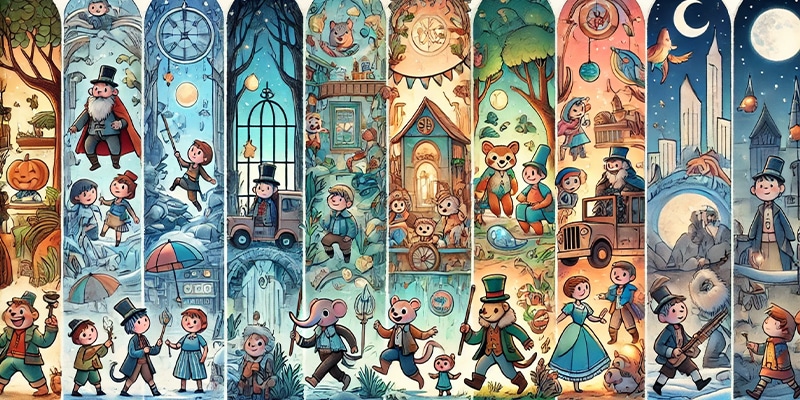
One of the most overlooked aspects of character design is ensuring that the characters fit within the overall theme of the story. A character designed for a light-hearted adventure story will look different than one intended for a more serious or reflective narrative. The characters’ designs should reflect the tone and setting of the story, from their clothing and facial expressions to their poses and interactions within the book’s world.
Adding Movement and Expression to Characters
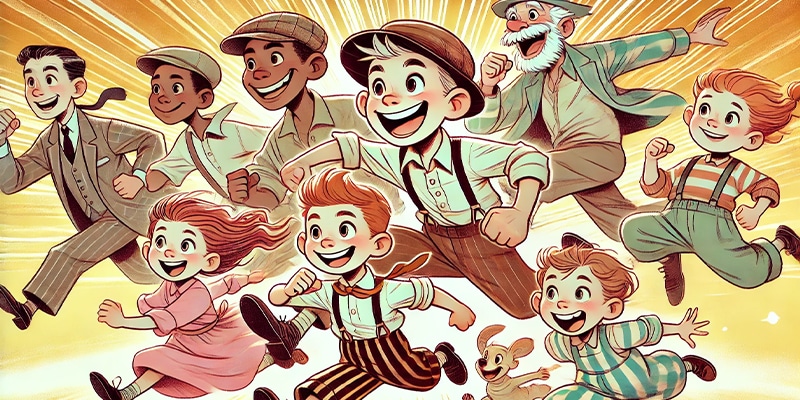
Creating static characters may hold the attention of young readers for a while, but it’s the movement and expression of the characters that truly bring them to life. The way a character moves across the page interacts with other characters or expresses their emotions through facial expressions and gestures can make a world of difference. Children’s books often rely on exaggerated movements to maintain the attention of young readers, so don’t be afraid to push the boundaries with action-packed scenes or highly expressive gestures.
Creating a Character Development Arc

Characters in children’s books don’t have to remain static; they can grow and change throughout the story. Whether your character is physically transforming or simply learning valuable life lessons, this development should be reflected in their design. As the character grows, so should the visual representation – whether it’s subtle changes in facial expressions or major transformations in their appearance, showing growth through design is crucial for character development.
Conclusion: Designing Characters that Children Remember
Designing memorable characters for children’s books requires a balance of creativity, understanding your audience, and ensuring that the characters fit seamlessly into the story’s narrative.
By focusing on character personality, physical design, colour usage, and the addition of movement and expression, you can create characters that young readers will not only love but also remember.
If you’re looking for professional assistance in crafting unforgettable characters, Big Red Illustration’s team of expert illustrators is ready to help.
From concept creation to final illustrations, we ensure your characters stand out and resonate with children for years to come. Get started today!
